
Last week, while chopping up a ripe avocado for taco night, I paused and looked at that huge seed in the middle. You know, the one we usually toss straight in the trash? My friend Kim once tried to grow a plant from one, but it didn’t sprout. We laughed, shrugged, and went on with life.
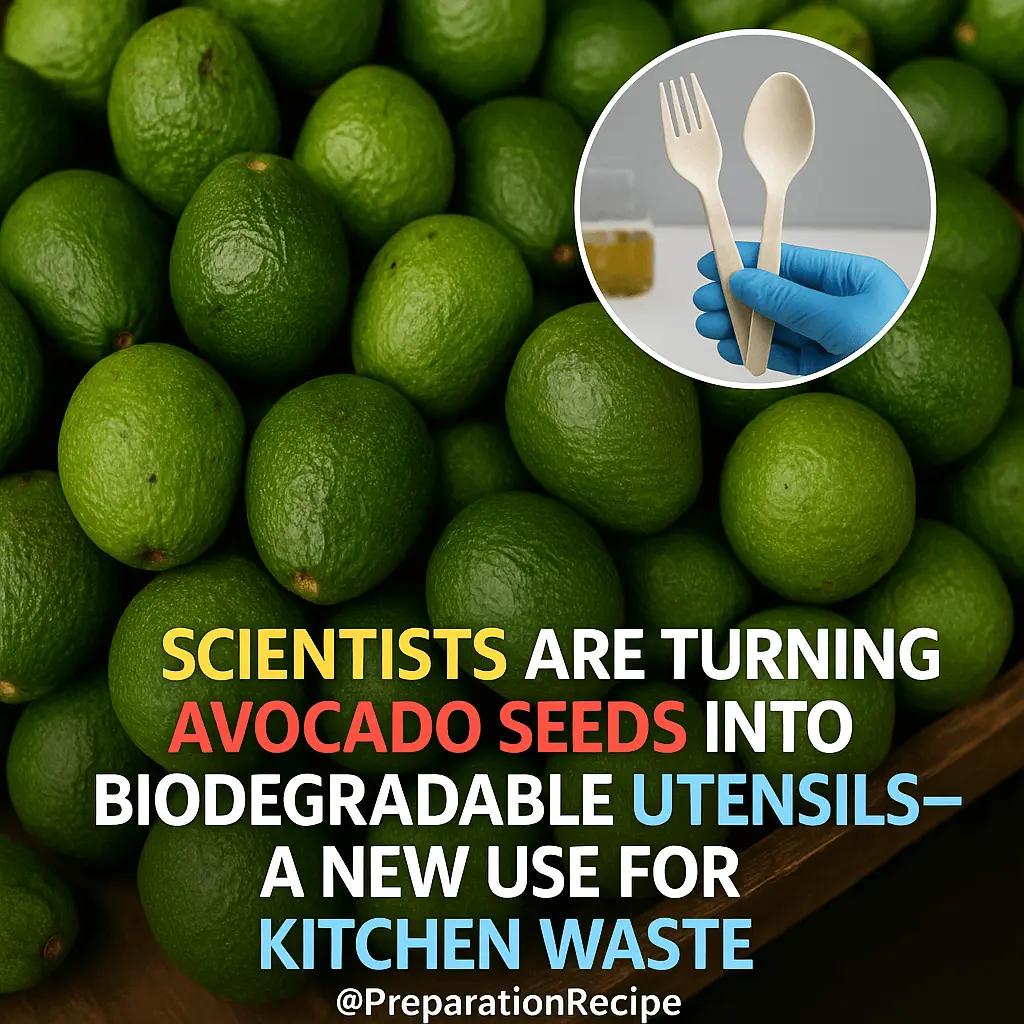
But then I came across something that stopped me cold: those very same seeds – yep, the ones sitting in your compost bin – can actually be turned into forks, knives, and spoons. Real ones. The kind you eat with. And suddenly, that “useless” pit didn’t seem so useless anymore.
Let’s explore how that’s even possible, why it matters, and what you can do with this wild little discovery.
1. That big avocado seed? It’s a game-changer in disguise.
We usually think of avocado pits as food waste, but some clever folks decided to take a second look. Scientists and engineers figured out that if you dry, grind, and process the seed, it can be reshaped into sturdy material – strong enough to become biodegradable utensils.
Imagine holding a spoon that used to be an avocado seed. It feels solid, a bit grainy, almost like a polished wood texture. And the best part? It doesn’t just sit in a landfill. It breaks down naturally over time.
It kind of makes you wonder: what else are we throwing away that could become something useful?
2. How does this actually work? (No science degree needed)
Okay, I know what you’re thinking. Is this just a craft project or the real deal?
Here’s the simplified version:
First, the avocado seed is dried completely until it’s rock hard. Then, it’s ground into a fine powder. After that, the powder is mixed with natural binders (think plant-based glue substitutes) and shaped using heat and molds – kind of like how clay becomes pottery, only faster.
The result? A fork or spoon that looks and works like plastic – with far less plastic waste. Some even have a soft, earthy color from the seed’s natural tint.
Typically made without harsh chemicals or toxic coatings. Just a brilliant reuse of what would otherwise be trash.
3. Why would anyone want an avocado fork?
Here’s the thing: every plastic fork or spoon you toss out can take hundreds of years to break down. That’s longer than your entire life, your kid’s life, and probably their kid’s too. Multiply that by billions of utensils used at parties, restaurants, and takeout joints, and – yikes.
Avocado-based cutlery, on the other hand, breaks down naturally, often in just a few months under the right conditions. No plastic chunks floating in the ocean. No micro bits sneaking into your food chain.
It’s one small switch that quietly makes a big difference. And it starts with something already in your kitchen.
4. Can you make these at home?
Sort of, but it’s not exactly a DIY afternoon craft.
The process to make these utensils takes special equipment and high temperatures, which is why companies are doing it in factories, not garages. But don’t worry – you can still be part of the story.
Some eco-focused brands are already selling avocado-based cutlery. You can support them. Even better? Start paying attention to how much disposable stuff you use. Could you swap it with reusable or compostable options? Could you share the idea with a local café or school?
It’s all connected. Awareness leads to action.
5. What else could we turn food waste into?
Now that avocado seeds are having their moment, other kitchen scraps are stepping into the spotlight too.
- Banana peels have been used to create fabric and leather alternatives.
- Corn husks are being transformed into food containers.
- Coffee grounds are finding second lives as scrubbing soaps or plant pots.
Every time we throw something out, we miss a chance to create something better. Maybe one day, we’ll look at our compost bin and see a toolbox instead.
A seed of an idea, and a whole new way of thinking
So yeah, I’ll never look at an avocado seed the same way again.
It’s more than just a fork – it’s a reminder that innovation doesn’t always start in a lab. Sometimes, it starts in your kitchen. And once you see food waste as raw potential instead of garbage, a whole world opens up.
Next time you’re making guacamole, take a second look at that seed. Who knows? It might just be the spoon you use tomorrow.
Let’s keep finding clever ways to waste less and create more.