
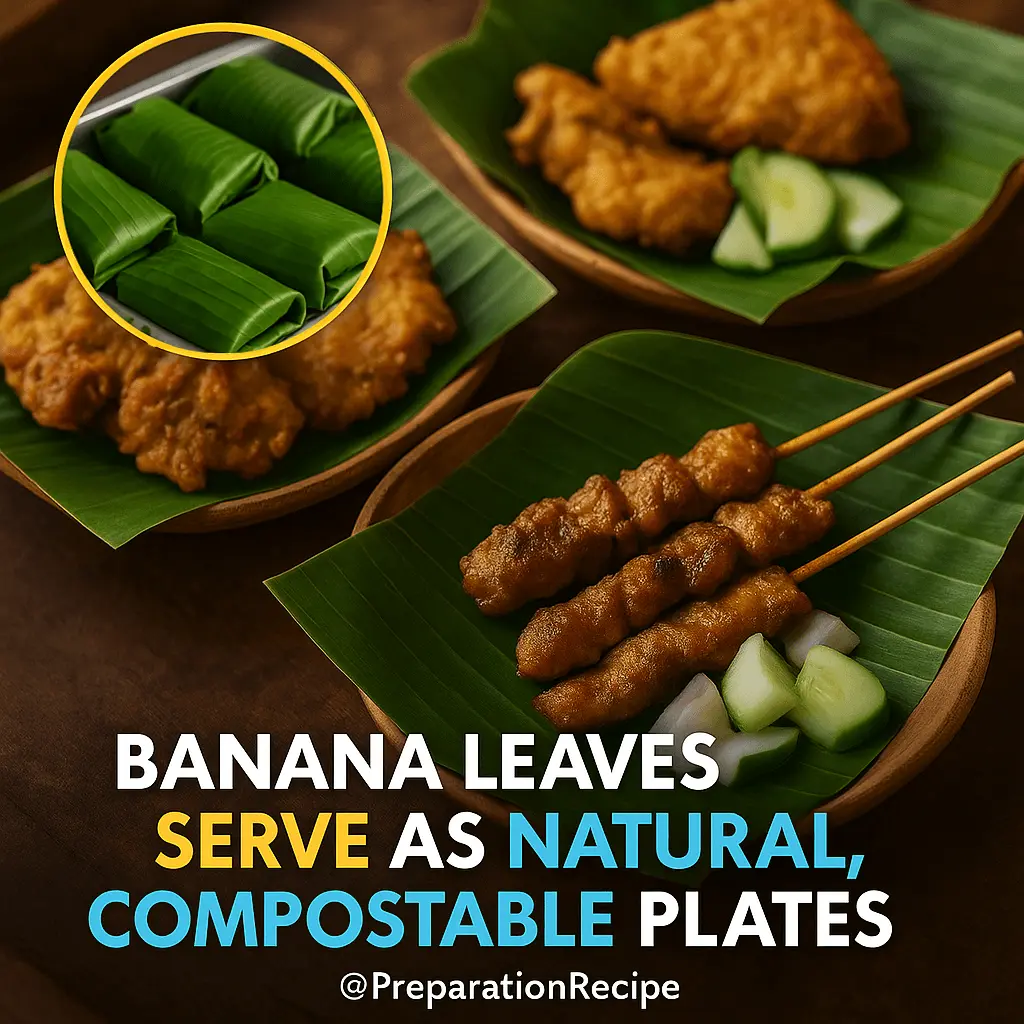
I still remember the first time I saw food served on a banana leaf. I was at a friend’s backyard potluck, and instead of plates, she handed me a big green leaf. I blinked, confused – but then I noticed how beautiful the setup looked. The rice sat neatly in the middle, the roasted vegetables popped with color, and everything smelled… just a little more vibrant. No dishes to wash, and somehow, it all felt special.
That moment stuck with me. And after trying it myself at home a few times, I get it now – there’s something special (and practical) about using banana leaves. So, let’s explore why this leafy tradition might be the refresh your dinner table didn’t know it needed – and how you can try it too.
1. Banana Leaves Are Nature’s Dinner Plates – Literally
Okay, let’s start with the obvious: these things are huge and tough. Banana leaves have been used in many cultures for generations because they’re naturally water-resistant, sturdy enough to hold food, and totally compostable. That’s right – when you’re done eating, you don’t toss them in the trash, you compost them. No mess, no plastic, no piles of dirty plates.
You don’t need fancy dishes or a matching set. Just trim the leaves to the size you want, give them a gentle wipe with a damp cloth, and you’re ready to go. Hot food? No problem. They can handle it. Plus, they add a light, earthy aroma that pairs so well with rice, grilled vegetables, or anything with bold spices.
2. Food Just Looks Better on a Leaf
There’s something about a fresh, deep green leaf that makes your food pop. Golden turmeric rice, bright cherry tomatoes, creamy lentils – it all stands out beautifully. It turns an ordinary lunch into something that feels like a celebration.
Even better? The texture of the leaf adds a gentle, natural contrast to the food on top. No slippery surfaces, no clunky utensils clashing with porcelain. It’s casual, but it feels kind of fancy in the best way. Guests notice. Kids get curious. And you? You feel a little more connected to what’s on your plate.
3. A Tiny Way to Be a Bit More Earth-Friendly
We all know disposable plates add up – especially if you host often or cook in batches. But banana leaves are renewable, biodegradable, and often a byproduct of harvesting bananas anyway. Using them as serving plates turns something ordinary into something thoughtful.
If you can find fresh banana leaves at your local international grocery store or farmer’s market, grab a bundle. They’re usually sold in rolls or big sheets, and one roll can go a long way. Pop them in the freezer and defrost as needed. Just lay them out flat and wipe them clean. That’s it.
And while this switch might seem small, it’s a simple gesture that makes your table more eco-conscious without feeling preachy or difficult.
4. It’s a Conversation Starter – Without Even Trying
If you serve food on banana leaves, people will ask. “Is this safe?” (Yes.) “Can I eat it?” (No, but your food will taste amazing.) “Where did you get this idea?” (You can say “a friend told me,” if you like.)
You don’t need to explain much – just let them try it. The sensory experience of tearing into food with your hands (if that’s your vibe) or cutting into a pile of roasted veggies on something green and organic – it’s memorable. People remember moments like that.
And chances are, your guests will leave inspired to try it at home, too.
5. You Don’t Have to Be Fancy – Start Simple
You don’t need a themed dinner party or a multi-course meal. Start with something basic: rice, sautéed vegetables, maybe a lentil dish or grilled tofu. Lay out the banana leaf, spoon the food on, and let it speak for itself.
If you’re packing a lunch, try wrapping warm rice and fillings into a folded banana leaf parcel. It’s like your own natural bento box. The leaf holds in moisture, adds a light flavor, and keeps things from spilling. No plastic wrap, no foil. Just a green hug around your meal.
6. They’re Not Just for Serving – You Can Cook with Them Too
Here’s a little bonus: banana leaves aren’t just for plating. They’re used in all kinds of wrapped dishes around the world – think tamales, steamed rice bundles, or spiced fish grilled in a leaf.
When you cook with them, the leaf locks in moisture and gives the food a subtle, herbal flavor. It’s like cooking in parchment paper, but fully natural. If you’re feeling adventurous, give it a try. Wrap marinated chicken or vegetables inside, tie it up, and steam or grill it. No, the leaf isn’t eaten – but it does all the work of infusing flavor and holding everything together.
7. Where to Find Them and How to Store Them
Most international or Asian grocery stores carry banana leaves in the frozen section. Some farmers’ markets or specialty grocers may offer them fresh. Just ask!
Once you have them, trim and store any leftovers flat in the freezer. To use, defrost for 30 minutes and gently wipe clean. That’s it. If they seem a little stiff, you can warm them over a gas flame or hot pan for a few seconds to soften.
8. A Tiny Ritual That Makes Mealtime Feel More Meaningful
After a long day, pulling out a banana leaf might not seem like the go-to move. But trust me – it takes just a moment, and the vibe shift is real. It slows you down, makes you notice your food, and gives even leftovers a little charm.
It reminds you that food doesn’t have to be fancy to feel special. Sometimes all it takes is a leaf, a spoonful of something warm, and the freedom to skip the dishes.
So, Should You Try It?
Absolutely. It’s fun. It’s easy. It’s beautiful. And it just might change how you think about meals at home. Whether you do it once or make it a weekly habit, banana leaves offer a refreshing, simple way to bring a little more nature to the table.
Give it a go – your table (and your trash bin) might thank you.