
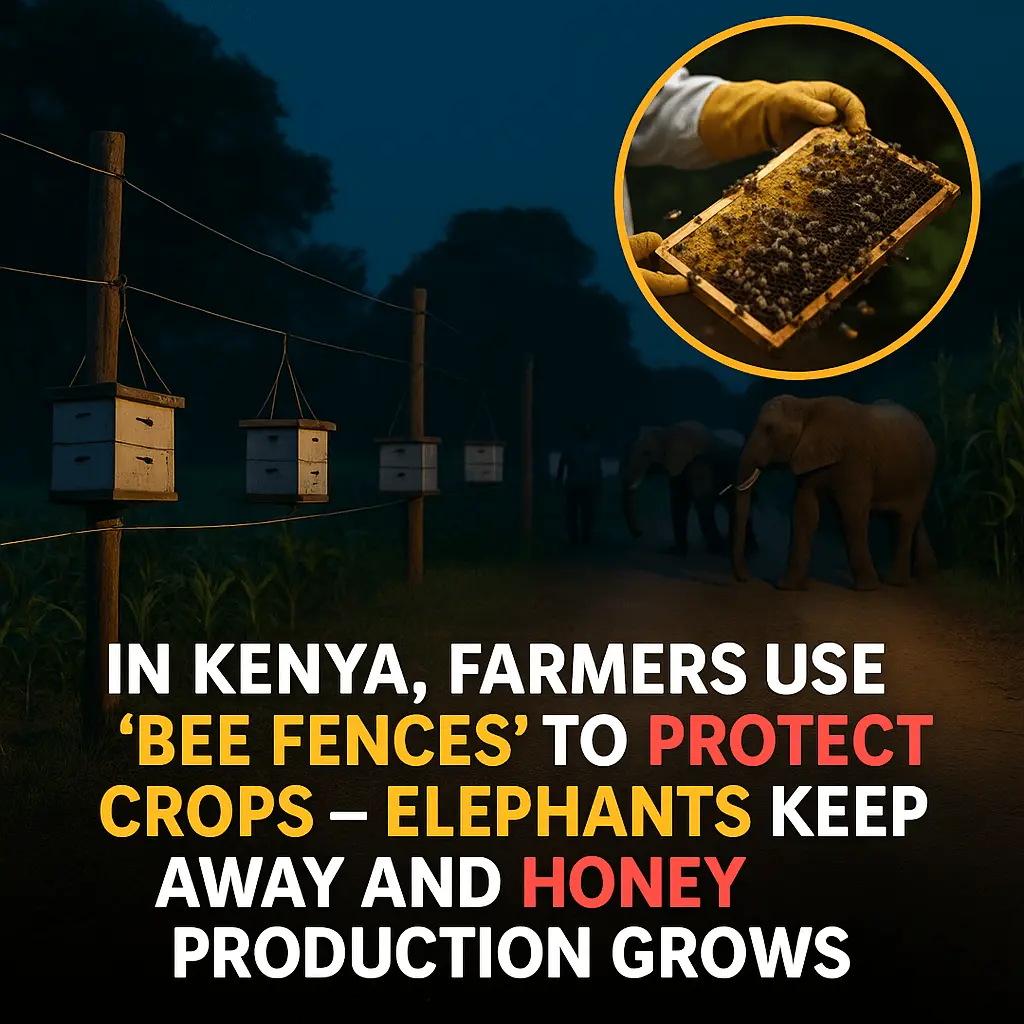
A few months ago, I came across this story about farmers in Kenya who are using bees – not fences, not guards, not noise machines – to protect their crops from elephants. At first, I thought it sounded like something out of a cartoon. But the more I read, the more I realized: it’s genius.
It reminded me of how my uncle used to plant rows of mint around his garden to keep deer out. Sometimes, nature has its own way of handling things. And this? This is one of those ways that’s not just smart – it’s beautiful.
Let’s explore how this works, what it means for farming, and how honey fits right into the picture. There’s more to it than you might expect, and you just might come away with a deeper appreciation for bees, elephants, and the creative ways people make food possible.
1. Elephants and Crops: A Sticky Situation
Imagine this: you’re a small farmer growing fresh fruits, vegetables, or grains. You wake up one morning, and your entire field has been trampled. The culprit? A family of elephants.
This is a common issue in parts of Africa and Asia where farmland borders elephant habitats. Elephants don’t mean harm – they’re just looking for food – but their size and appetite can destroy an entire season’s work in one night.
Fences? Too expensive. Noise devices? Elephants get used to them. So farmers needed something better – and quieter.
2. Turns Out, Elephants Hate Bees
Here’s the surprising part: elephants are terrified of bees.
You wouldn’t think a creature that weighs several tons would care about tiny insects, but elephants have very sensitive ears and trunks. A bee sting in those areas can be painful and dangerous. So when they hear the sound of buzzing, they back off.
That’s where the idea of “bee fences” comes in.
3. What’s a Bee Fence, Anyway?
A bee fence is exactly what it sounds like. It’s a line of beehives hung along the edges of a field, connected by wire. When an elephant tries to enter, it brushes against the wire, shaking the hives. The bees get agitated and buzz loudly – and that sound alone is often enough to send the elephants running.
It’s low-tech, affordable, and surprisingly effective. And the best part? It doesn’t hurt the elephants. They just learn to stay away.
4. Bonus Benefit: Sweet, Local Honey
You probably guessed this already: those hives don’t just scare elephants. They also produce honey.
And not just any honey. This is rich, golden, locally made honey that farmers can sell at markets or use themselves. It’s a win-win: crops stay safe, and families earn a little extra income.
Some communities even brand their honey as “elephant-friendly,” which makes it more appealing to buyers who want to support ethical and sustainable practices.
5. A New Way to Think About Food Security
Food security means being able to grow and access enough food. But in places where wildlife and farming overlap, it’s not just about seeds and soil – it’s also about safety.
By using bees instead of harmful tools, farmers can protect their food in a way that respects the environment. No harsh chemicals. No dangerous traps. Just nature helping itself.
It’s the kind of creative solution we could all learn from.
6. Could Bee Fences Work Elsewhere?
It’s a fair question. While bee fences are especially helpful in areas with elephants, the idea of using insects to support farming isn’t new. In some places, people use ladybugs to control pests. Others plant flowers to attract pollinators.
So even if you’re not growing crops near elephants, the big idea here still applies: sometimes the smallest creatures can make the biggest difference.
And if you’re a gardener or small-scale grower, consider inviting more bees to your backyard. They’re pollinators, protectors, and producers – all in one.
7. What This Teaches Us About Harmony
The story of bee fences is really a story about balance.
Farming and wildlife don’t always get along, but that doesn’t mean we have to choose one over the other. Sometimes, with a little imagination, we can create solutions that support both.
We don’t always need to build higher walls or stronger barriers. Sometimes, all it takes is a buzz.
Final Thoughts
I love how something so simple – hanging beehives on a string – can have such a big impact. It protects food, helps farmers, saves elephants, and fills jars with golden honey. That’s a lot of goodness packed into one small idea.
So next time you stir honey into your tea or drizzle it over toast, take a moment to appreciate the quiet power behind it. The world is full of little stories like this – sweet, surprising, and worth sharing.