
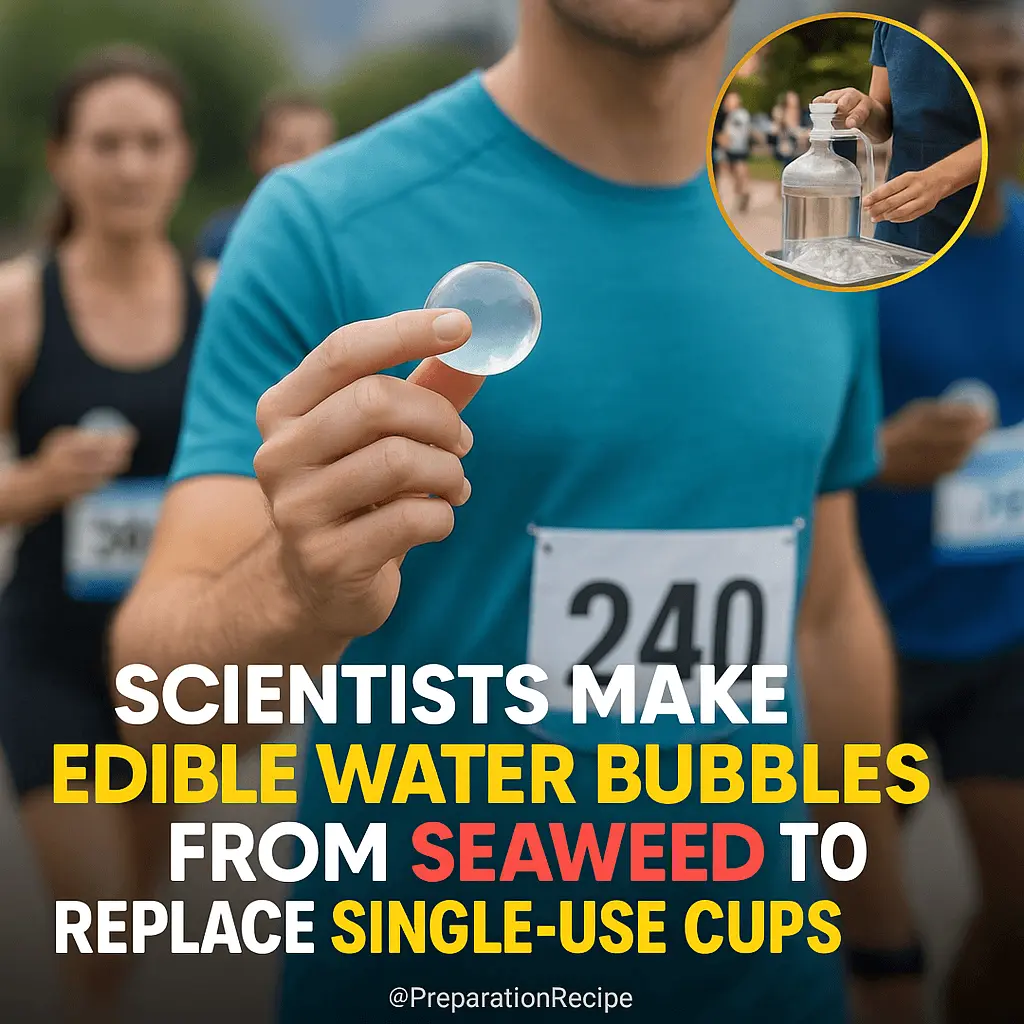
The first time I saw someone pop a water bubble straight into their mouth like candy, I did a double-take. Was it safe? Was it real? And how on earth was it holding together like that?
It all started with a video a friend sent me – something about “edible water made from seaweed.” At first, I brushed it off as a trend, but the curiosity stuck with me. One thing led to another, and before I knew it, I was reading about scientists, runners, and even kids trying these strange but clever bubbles at events. And get this – they’re not just fun. They might just help clean up our world.
So let’s explore what these water bubbles actually are, how they work, and why you might see more of them popping up (pun intended).
What Exactly Is an Edible Water Bubble?
Okay, let’s break it down. Imagine holding a clear, soft bubble of water in your hand – like a mini water balloon, but you can eat the whole thing.
These bubbles are made using seaweed extracts. The outer layer is a thin, jelly-like film that keeps the water in without needing a plastic bottle or cup. No straw. No lid. Minimal packaging waste. Just a little sip of innovation.
They’re called “edible water bubbles,” and yes, they’re made with food-safe ingredients commonly used in foods. When you bite in, it’s like sipping from a drop of water wrapped in a soft, slippery shell. Super light. Super cool.
Why Seaweed?
You might be wondering, “Why seaweed of all things?”
Seaweed is kind of the unsung hero of the ocean. It grows fast, doesn’t need fresh water or fertilizer, and – bonus – it’s already used in food all over the world. Think of it like nature’s flexible ingredient.
The part used in these water bubbles is called sodium alginate, which comes from brown seaweed. When it mixes with a calcium solution, it forms a thin, gel-like skin around a drop of water. That’s the bubble!
It’s not hard to make, either. You can find videos of people creating these at home using just a few simple tools and kitchen-safe ingredients. It feels more like a fun science experiment than anything complicated.
Where Are People Actually Using These?
One of the coolest uses I’ve seen was at a marathon in London. Instead of handing out cups of water, volunteers gave runners these small water bubbles. The runners would pop them in their mouths and keep going – no plastic cup, fewer spills, less mess.
Events like music festivals and outdoor fairs are starting to test them, too. Imagine sipping your drink from a bubble while dancing in a crowd, then just tossing the bubble in your mouth. That’s a whole new kind of convenience.
Some cafés are also experimenting with filling the bubbles with juices or even flavored water. Imagine a citrusy splash in a bite-sized orb. Sounds like fun, right?
Can You Try Making Them at Home?
You actually can. While the process takes a little patience, the ingredients are easy to find online or in specialty food stores.
You’ll need:
- Drinking water
- Sodium alginate (from seaweed)
- Calcium lactate (safe and food-grade)
- A couple of bowls
The general idea is: dissolve the seaweed powder into water to make a base, then drop that base into a calcium bath. A little shell forms around each drop. Let them set, rinse them, and you’ve got a tray of homemade water bubbles.
It’s a cool project to do with kids or friends, especially if you love trying things that are a bit outside the box.
What Do They Taste Like?
The bubble itself is basically flavorless – just a very mild, soft outer skin. If you’ve ever had jelly with no sugar, it’s similar but thinner and more delicate.
The fun part is what’s inside. Most of the time, it’s just clean drinking water, so it tastes like, well… water. But some people have started using flavored water, like berry or lemon, which adds a surprising burst.
It’s more about the texture and experience than the taste. And honestly, it’s kind of satisfying in a weirdly futuristic way.
Are They Safe for Everyone?
Yes! These bubbles are made with food-safe ingredients that are already used in things like jelly candies and sauces.
That said, they do pop easily, so they’re not great for tossing into lunchboxes. And like anything small and round, you wouldn’t give them to toddlers without supervision. But for older kids and adults, they’re a playful and safe alternative.
Plus, since they’re plant-based, they’re a win for people who avoid animal-based products.
What About the Environment?
This is where it gets exciting.
Each bubble you use means one less plastic cup or bottle. The plant-based film is designed to biodegrade under the right conditions, helping reduce plastic use. Designed to reduce small litter and reliance on plastic packaging.
It’s not going to replace every drink container overnight, but even small changes matter. Imagine sports events or food trucks cutting down on plastic by handing out these instead. Or cafés offering them as samples of new drinks.
It’s a step – a fun, clever one – toward a cleaner world.
So, Will We All Be Drinking from Bubbles Soon?
Maybe not tomorrow, but it’s definitely catching on. As more people look for eco-friendly options, ideas like this stand out. They’re simple. They’re playful. And they make us think differently about everyday things like water.
Plus, they’re just fun. Sometimes, doing good for the planet can feel like a chore. But not this time.
Final Thoughts
Trying one of these edible water bubbles felt like stepping into the future – but in a good, gentle way. It’s not just about science or sustainability. It’s about creativity, curiosity, and seeing how small ideas can make a big splash (yes, I went there).
Whether you’re looking to cut back on plastic, wow your guests with something new, or just try a fun DIY project, edible water bubbles are a smart and delightful option.
So go ahead – embrace the creativity, take a sip, and let your imagination grow.