
Chocolate and a Bug? Yep, You Read That Right.
I was sipping hot cocoa with a friend the other day, talking about how amazing chocolate is (because it is), when she dropped this random fact on me: “Did you know chocolate depends on this little fly to exist?”
Wait, what? I thought bees did all the pollinating! So of course, I had to look into it – and honestly, it blew my mind. The more I learned, the more I realized how fragile and strange the process behind our favorite treat really is.
This article explores the tiny insect behind cacao pollination, why it matters, and what it tells us about nature’s surprising teamwork.
1. It All Starts With the Cacao Flower
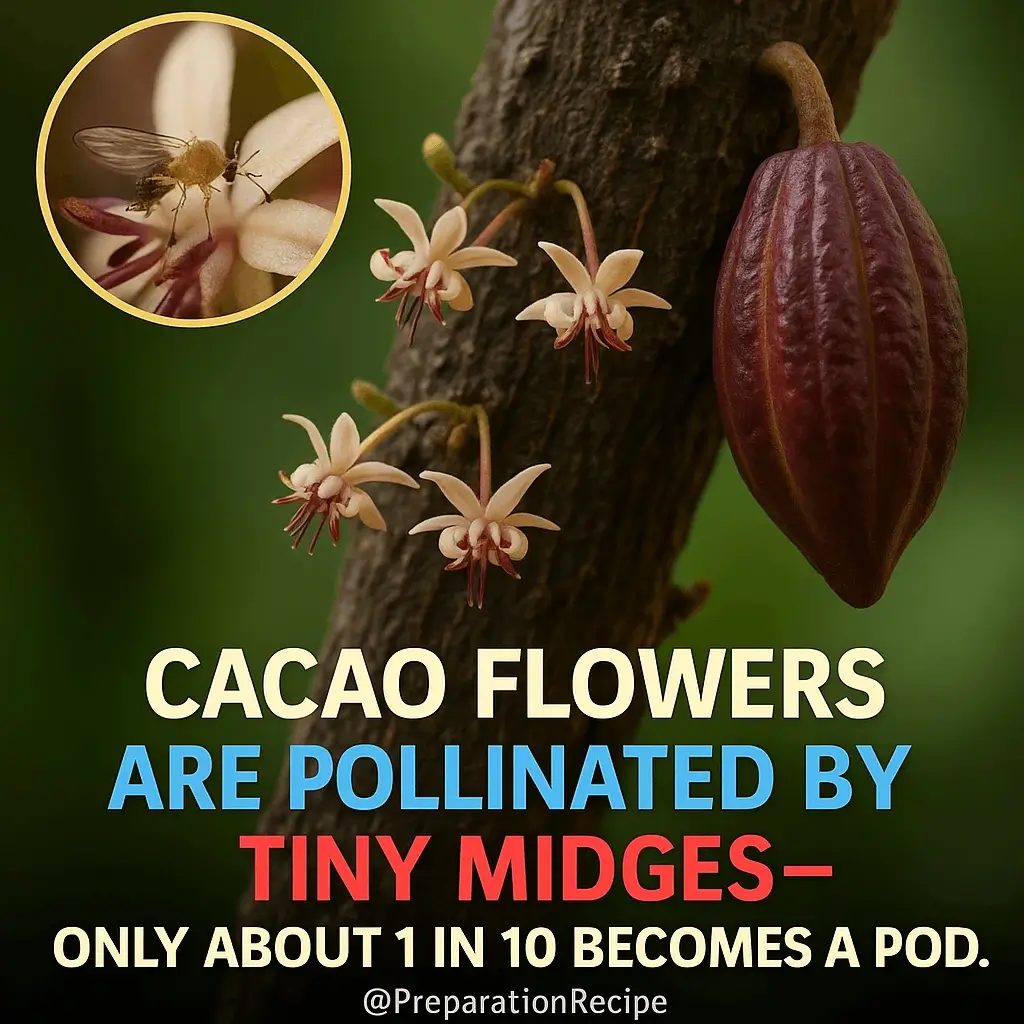
Cacao flowers aren’t your average blossoms.
They’re small, star-shaped, and grow straight out of the cacao tree’s trunk or branches. You’d miss them if you weren’t looking closely – they’re that tiny. But inside each flower is the potential for something remarkable: a cacao pod, the thing we get cocoa beans from.
Here’s the catch: these flowers are really hard to pollinate. They’ve got a twisty shape, and their parts are so delicate that even bees can’t quite handle the job. That’s where a tiny, unexpected hero comes in.
2. Enter the Midge – Chocolate’s Unsung Hero
Midges are small flies – like, really small. Think sesame-seed small.
Unlike bees that bounce from flower to flower in the open air, midges are comfortable in shady, damp places like the rainforest floor. That just so happens to be where cacao trees grow. And unlike bees, midges are tiny enough to wiggle into the cacao flower’s tricky structure to pollinate it.
But here’s the wild part: even with midges doing their best, only about 1 in 10 – or even 1 in 20 – flowers turn into a pod. Nature doesn’t rush chocolate.
3. Why This Matters (Beyond Just Chocolate Cravings)
Okay, so why should we care about a teeny midge doing its thing in the rainforest?
Because chocolate depends on it, every bar, truffle, or brownie you’ve ever had likely exists because a midge flew into a flower somewhere in the tropics. If those tiny insects disappear – due to deforestation, climate shifts, or pollution – it could seriously affect cacao crops.
That’s not just bad news for your sweet tooth. Millions of farmers around the world rely on cacao as their livelihood. It’s a reminder that even the smallest creatures play big roles in our food system.
4. Can We Help These Tiny Pollinators?
Actually, yes.
When cacao farmers keep some of the forest around their farms instead of clearing everything, they give midges the damp, shady habitat they need. It’s a little bit of rewilding that goes a long way. Some farms even create mini “midge hotels” with moist soil and rotting leaves to keep them around.
And if you’re a chocolate lover (who isn’t?), look for brands that support shade-grown cacao or sustainable farming practices. It’s a simple way to show support for the people – and bugs – behind your favorite treat.
5. Chocolate Is Nature’s Teamwork in Action
It’s easy to forget where things come from. A chocolate bar feels extraordinary, but it’s actually nature, hard work, and tiny midges doing their thing in the rainforest.
I’ll be honest – I’ll never eat chocolate the same way again. Now every bite feels a little more amazing, knowing what had to happen to make it possible.
Next time you unwrap a bar, take a moment. Somewhere out there, a midge made that happen. 🪰🍫
So, What Can We Take From This?
Chocolate is a reminder that even the smallest things in nature matter. Tiny midges, barely visible to the eye, are part of a huge process that brings joy around the world. It’s beautiful, a little weird, and totally worth knowing.
Want to do your part? Support cacao that’s grown with nature in mind – and tell someone this sweet little fact. You might just blow their mind too.