
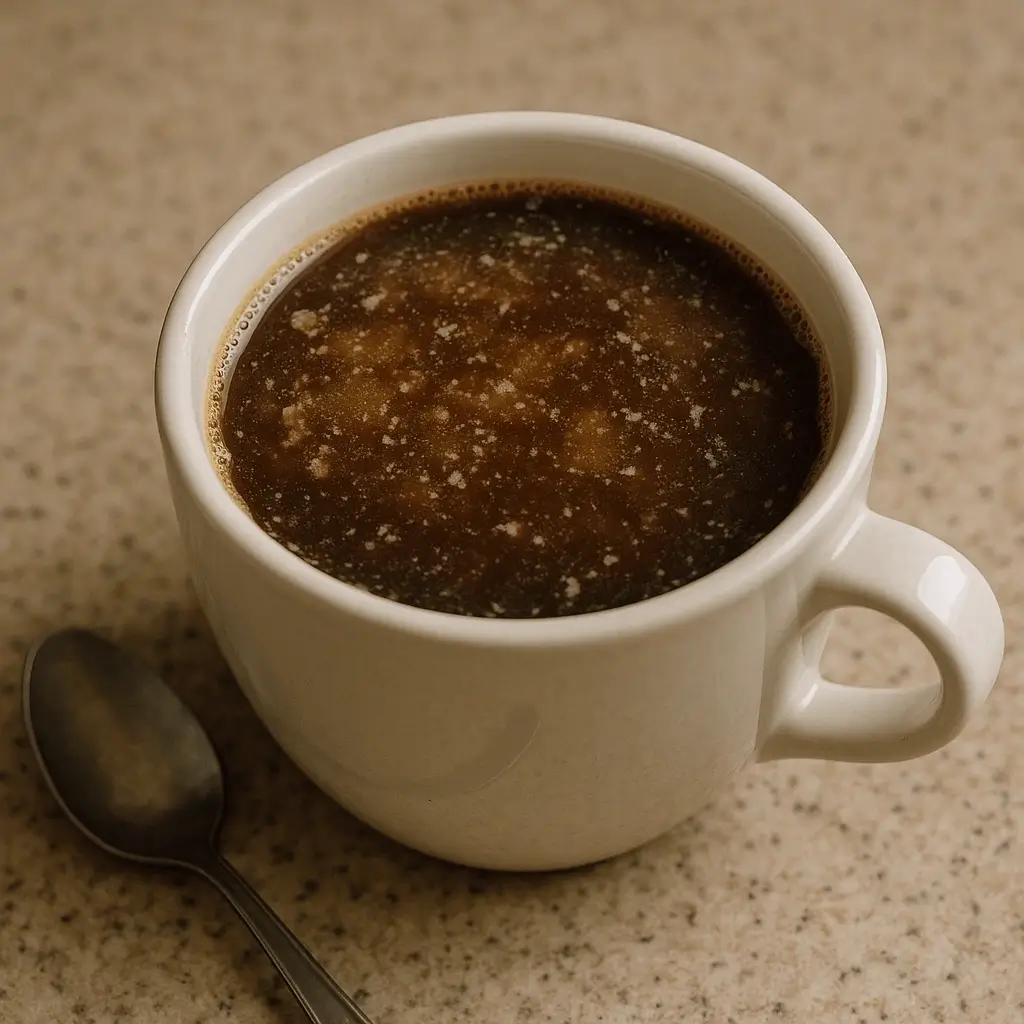
Last week, I made my usual morning cup of coffee, ready to ease into the day. I poured in some milk from the fridge – and then paused. Instead of blending into a creamy swirl, the milk separated into weird white flakes, floating in my coffee like tiny snowflakes. It looked… bad.
I showed it to my sister, and she shrugged. “It’s just milk. Stir it.” But something about those little specks made my stomach turn. Was the milk bad? Was the coffee too hot? Did I just ruin my morning?
If you’ve ever stared down a curdled cup of coffee and wondered what went wrong, you’re definitely not alone. Let’s explore why this happens, what it means, and what you can try next time so your coffee looks as good as it tastes.
1. What’s Actually Happening in the Cup?
Let’s start with the basics. When milk curdles in coffee, it means the proteins in the milk have clumped together. This happens when the environment (like the acidity or temperature of the coffee) makes those proteins unstable.
Now, this doesn’t always mean the milk is spoiled. Sometimes, it’s just reacting to strong coffee or high heat. But still, when you see those flakes, it’s natural to feel uneasy.
The short version? Your coffee didn’t turn into a science experiment on purpose – it’s just reacting to a few conditions that don’t always get along well.
2. Was the Milk Bad?
Let’s be honest – this is the first thing we all wonder. And yes, spoiled milk can cause curdling. But not always.
Here’s a quick test:
- Smell the milk: If it smells sour, throw it out.
- Taste a drop: If it tastes off, don’t use it.
- Check the date: Milk can go bad before the date if it wasn’t stored right.
That said, milk can still curdle in coffee even if it’s totally fresh. Some acidic coffees or very hot brews can make that happen. So don’t panic right away – your milk might still be okay for cereal or baking.
3. Could the Coffee Be the Culprit?
Yep! Coffee itself can cause curdling, especially if it’s really hot or really acidic.
Darker roasts tend to be lower in acid, while lighter or more citrusy coffees might be higher. If your coffee has a sharp or tangy taste, that might explain the flakes. Also, freshly brewed, piping-hot coffee (especially from a machine or French press) can be a little too much for delicate milk proteins.
If this keeps happening, it’s worth trying a different roast – or just letting the coffee cool for a minute before adding milk.
4. What Kind of Milk Are You Using?
Believe it or not, the type of milk can make a big difference. Whole milk is a bit more stable in hot drinks because it has more fat. Low-fat or skim milk can curdle more easily. And non-dairy options? They’re a whole other story.
Here’s a quick breakdown:
- Whole milk: Best for resisting curdling.
- Skim or 2% milk: More likely to curdle if the coffee is acidic or hot.
- Oat, almond, soy: Can curdle fast unless they’re labeled “barista” or made for coffee.
So if you’re reaching for a splash of plant milk, check the label – and maybe pour it in slowly.
5. Should You Still Drink It?
This one’s a little personal. Technically, if the milk was fresh and the curdling was caused by temperature or acidity, it’s still safe. But emotionally? That’s another story.
Drinking a cup full of visible flakes isn’t exactly cozy. It might taste the same, but if it looks unappetizing, it’s okay to pour it out. Trust your gut, literally.
If this happens often, you can try warming the milk slightly before pouring, or switching to a different kind of milk or coffee.
6. How to Prevent It Next Time
Here are a few simple tricks you can try to stop the curdling before it starts:
- Let your coffee cool just a bit before adding milk.
- Warm your milk slightly in the microwave or on the stove – lukewarm is fine.
- Use whole milk or a barista-style plant milk if possible.
- Pour slowly and stir gently, giving the milk a chance to blend.
- Switch your roast if your current coffee is very acidic.
These aren’t foolproof, but they really help. It’s all about finding the right balance for your morning routine.
7. A Little Curiosity Never Hurts
If this has happened to you, don’t feel embarrassed. It’s a super common kitchen moment, and most of us have wondered about it at least once.
And sometimes, it’s just part of learning how ingredients behave. Every kitchen mistake teaches us a little more about how food (and drinks!) work – and that’s kind of comforting, in its own way.
When Coffee Gets Weird, You’re Not Alone
So if your morning coffee turned into a science fair with little white flakes floating around, don’t stress. It doesn’t always mean something’s spoiled. And now, you know what might be going on – and how to stop it from happening again.
Even when things go a little sideways, there’s always a way to fix it or learn from it. So next time you make your coffee, give it a second to cool, pour with care, and embrace the small surprises that show up in your kitchen.
Because hey – every good coffee story starts with a curious sip.