
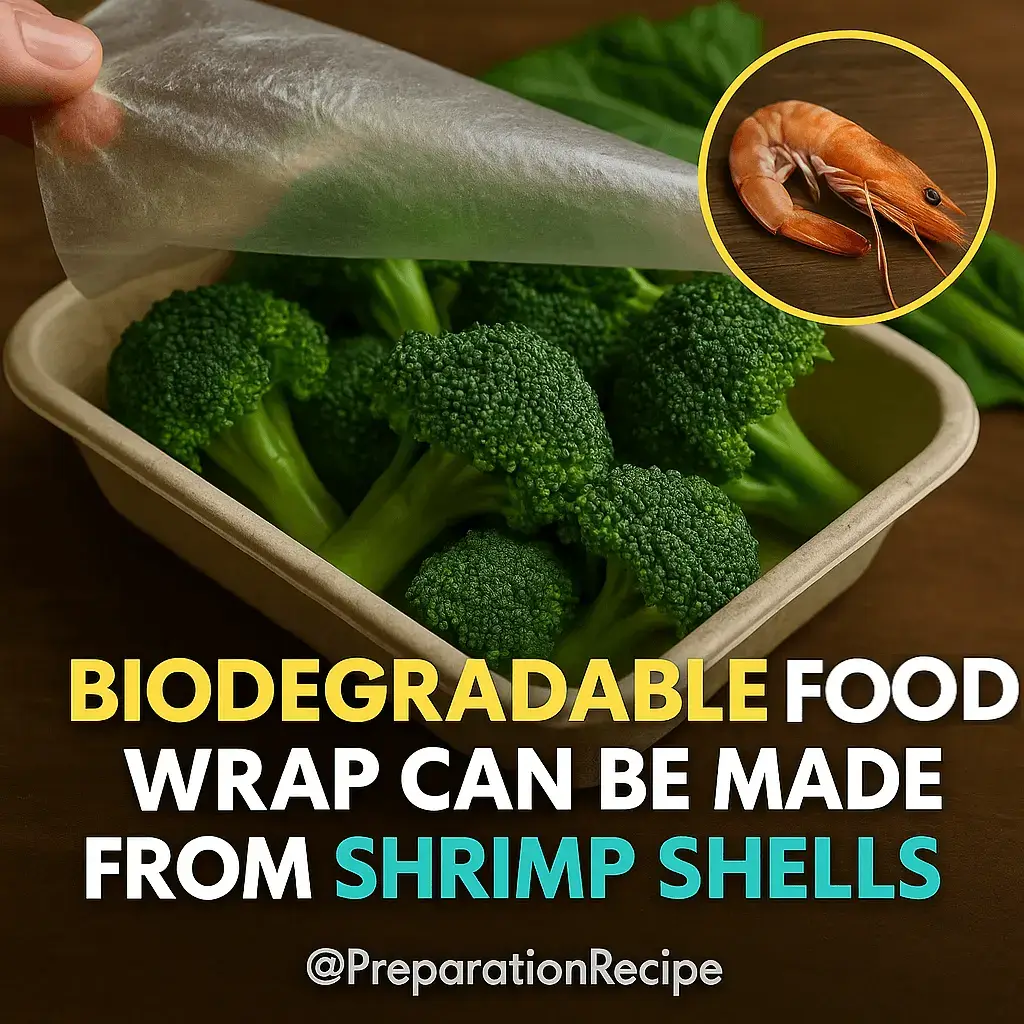
Shrimp shells aren’t just for tossing anymore – turns out, they’re wrapping our veggies.
A few months ago, I was packing away leftovers after dinner and reached for plastic wrap like I always do. My friend Jen, who’s big on sustainability, gave me a look and said, “You know they’re making wraps out of shrimp shells now, right?” I laughed at first, but then I looked it up. And wow – it’s not a joke.
So today, let’s explore how something as unexpected as shrimp shells is becoming a smart, biodegradable way to pack produce – and why you might start noticing it in your own kitchen sooner than you think.
What Are These Wraps, and Why Shrimp Shells?
Let’s start with the weird but wonderful part – shrimp shells. They’re usually discarded after cooking, but scientists realized they hold something useful: chitin, a natural substance that can be turned into a film-like wrap. It’s flexible, light, and safe for food.
Now, instead of letting those shells go to waste, they’re being processed into biodegradable food wraps. These wraps look and feel like regular plastic wrap, but they break down naturally – which means less waste sitting in landfills or oceans.
Pretty wild, right? Something that used to be tossed is now helping us cut down on plastic.
Why This Matters More Than Ever
Think about how many items at the store come wrapped in plastic. From cucumbers to berries, most fresh produce comes sealed up in something that takes hundreds of years to decompose. That adds up.
These shrimp-shell wraps are designed to break down much faster than conventional plastics, especially in appropriate composting conditions. It’s a small shift that could lead to big changes in how we package food, especially fruits and vegetables.
And here’s the good part for you: they don’t require any extra effort. You just buy your usual produce, and it might already be wrapped in this earth-friendlier material.
How They’re Made (In Simple Terms)
Don’t worry – this isn’t a science lecture. But if you’re curious, here’s how it works in plain English.
- Shrimp shells are cleaned and dried.
- They’re processed to pull out the chitin, which gets turned into a new material called chitosan.
- That’s blended with safe ingredients to create thin, flexible sheets that behave like plastic wrap.
- Boom – biodegradable wrap, ready to go.
It’s efficient, natural, and surprisingly sturdy. Plus, there’s no shrimp smell left behind. (I checked.)
Where You Might See It Next
This isn’t some faraway idea stuck in a lab. These wraps are already starting to show up in food packaging – especially in produce sections and smaller eco-focused markets.
You might spot them covering berries, cherry tomatoes, or even leafy greens. Sometimes they’re used in trays and containers, replacing the old plastic film with something that looks the same but composts easily.
If you shop at a local farmer’s market or co-op, keep your eyes peeled. These stores are often the first to try out innovations like this.
What You Can Do (Even If You’re Not Making Wraps at Home)
Even if you’re not crafting wraps in your kitchen, there are a few ways you can help this movement grow:
- Support brands or markets using eco-wraps. Buying their products sends a clear message that we care about packaging.
- Cut down on single-use plastic. It’s okay to start small – one less roll of cling film is still a win.
- Spread the word. Just telling a friend or sharing a post (like this one) helps more than you know.
It’s not about being perfect – it’s about nudging things in the right direction.
Why I Love This (and Maybe You Will Too)
There’s something pretty beautiful about turning waste into something useful. I mean, shrimp shells? Who would’ve guessed?
This kind of innovation makes me feel hopeful. It shows that small changes – using what’s already around us – can make a real difference. And it reminds us that food and sustainability don’t have to be at odds.
So next time you see a pack of blueberries in what looks like regular plastic wrap, take a closer look. You might be holding part of the future in your hands.