
Ever scraped your plate and felt just a bit wasteful?
Me too. I used to empty leftovers into the trash without a second thought – until a friend visiting from Seoul told me about smart bins in South Korea that turn food waste into actual cooking gas. Wait, what?
It sounded like something out of a futuristic city. But it’s real. South Korea is doing something quietly brilliant with food scraps – and it made me rethink what “waste” really means.
So in this article, let’s explore how these smart food-waste bins work, why they matter, and what you and I can learn from them – no science degree needed.
What Are Smart Food Waste Bins?
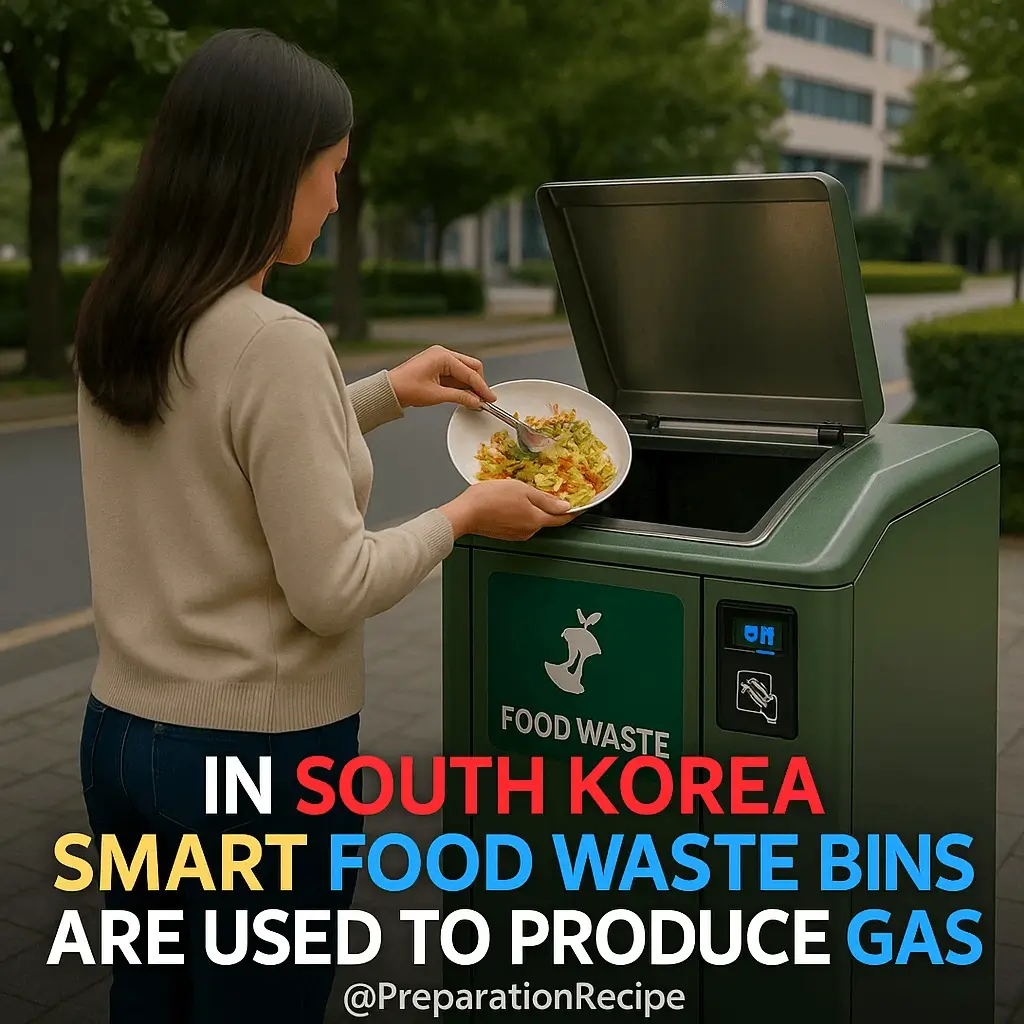
Imagine this: you’re walking down your street, holding a bag of kitchen scraps – maybe some lettuce ends, rice, or old noodles. You stop at a tall green bin, scan a card, drop the bag in, and keep walking.
But behind the scenes? That little action is helping power a stove somewhere nearby.
Smart food-waste bins in South Korea do more than just collect trash – they’re part of a high-tech system that weighs your scraps, tracks them digitally, and sends them to facilities that turn it all into biogas, a clean energy source used for cooking in community kitchens.
It’s not just clean, it’s clever. And incredibly intentional.
Why Did South Korea Do This?
Let’s face it – food waste is a problem almost everywhere. In the U.S., we toss out over 30% of our food. That’s not just sad – it’s expensive, smelly, and bad for the environment.
South Korea faced the same issue in the 1990s. Their landfills were overflowing. But instead of shrugging and moving on, they took action – serious, structured action.
They banned food waste from landfills, introduced composting laws, and eventually rolled out smart bins in cities. These bins aren’t just smarter – they make people more mindful of what they throw away. That includes weighing the waste (you pay a small fee by weight), which encourages folks to waste less.
It’s basically a gentle nudge to think twice before overbuying or overcooking.
How Do Scraps Turn Into Gas?
This part sounds complicated – but stay with me, it’s simpler than you think.
When food scraps are collected from smart bins, they’re taken to special plants. There, they go through anaerobic digestion (basically, being broken down by bacteria without oxygen).
As the scraps decompose, they release biogas – mainly methane – which is captured and turned into cooking gas. The leftover solids? They’re turned into compost or fertilizer.
So from one tossed-out dinner, you get energy to cook the next one and something to grow more food. That’s a pretty neat circle, right?
What’s It Like Using One?
One visitor in Seoul said it was “like using a vending machine in reverse.” You scan your card, the bin opens, you drop your waste in, and it gives you the weight. You get charged just a few cents – but the idea is to make you think: could I have eaten that?
Families started planning meals more carefully. Restaurants adjusted their portions. And neighbors began swapping extra produce before it spoiled.
It became less about rules and more about rhythm – a rhythm of respect for food, and for each other.
Could This Work in the U.S.?
You’re probably wondering – could this actually happen here?
The short answer? Yes, but with a twist.
We have different infrastructure and culture, so we would need to adapt. Some cities like San Francisco and Seattle already collect food waste separately, and a few pilot programs are testing similar smart bins.
But the beauty is – you don’t need to wait for the government to start caring.
You can try simple changes today:
- Keep a small food scrap bin under your sink.
- Compost at home or use local compost drop-off points.
- Be thoughtful with your grocery list and leftovers.
- Talk to your local school or community about starting compost programs.
Even if we don’t have smart bins yet, we can make smart choices.
Why It’s More Than Just Trash
There’s something deeply human about turning waste into something useful. It reminds us that nothing – and no one – is ever truly “useless.”
I think that’s what struck me most about the South Korea model. It wasn’t just the tech, or the compost, or the gas. It was the quiet message underneath it all:
Take what you have, and make something good.
That goes for food. For habits. And maybe even for how we live together.
Whether you live in a small town or a bustling city, whether you compost already or didn’t know banana peels could be useful – this is your sign to start noticing what you throw away.
Who knows? Your scraps might just be the start of something bright.
✨ Let’s waste less and wonder more. ✨