
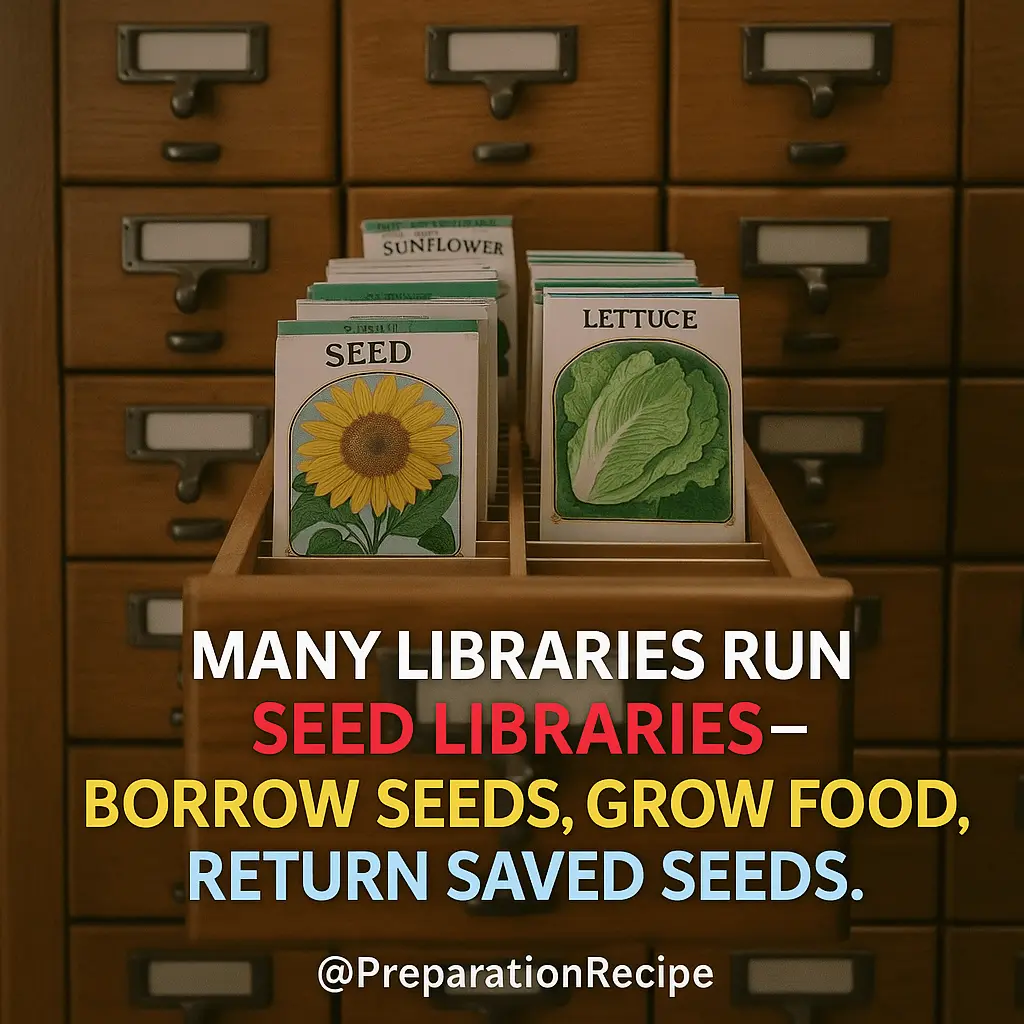
A few weeks ago, I was waiting in line at my local library when I noticed a wooden drawer labeled “Seed Library.” I thought it was a craft project or a kids’ activity. But no – it was exactly what it sounded like. A little collection of seed packets you could borrow, just like books.
I had no idea this was a thing, and when I told a few friends, they were just as surprised. “You can grow food… for free?” Yup.
Let’s explore what seed libraries are, how they work, and how you can use one to grow your own herbs, veggies, and flowers – without spending a single dollar on seeds.
So, What Is a Seed Library?
A seed library is like a regular library – only instead of checking out books, you check out seeds.
Libraries (mostly public ones) across the U.S. have started offering free seed programs to help people start gardening. You pick up seed packets, grow them in your garden or pots, and ideally, return seeds from your harvest to share with others. But there’s no pressure. You can usually take some without needing to give anything back.
It’s all about community, food access, and reconnecting with nature. And honestly, it feels good.
Why Libraries Are Doing This
It might seem a little unusual at first. I mean – why seeds? But once you think about it, it makes perfect sense.
Libraries are already places where people go to learn, grow, and connect. Seeds help us do all of that too. Many communities have seen an interest in gardening, especially for fresh, affordable food. Seed libraries support that.
Plus, gardening is proven to be relaxing. It gets us off our screens and into the sunshine. And when the first little sprouts come up, it feels really satisfying.
What You Can Find in a Seed Library
You won’t find every seed under the sun, but the selection is often surprisingly good.
Think simple, useful, and local. Common seed library picks include:
- Tomatoes, lettuce, and carrots
- Basil, cilantro, and parsley
- Sunflowers, marigolds, and zinnias
- Beans, peas, cucumbers
Sometimes the seeds are from local farms or gardeners. Sometimes they’re leftover donations from seed companies. Either way, they’re often well-suited for your climate.
The best part? You can try something new without worrying about wasting money.
How to Borrow Seeds
It’s super low-pressure. Most seed libraries are self-serve – you don’t even need a library card.
Here’s how it usually works:
- Stop by your local branch. Look for a wooden cabinet, small bookshelf, or drawer labeled “Seed Library.” If you’re not sure, just ask the front desk.
- Browse the packets. They’re usually labeled with planting tips, dates, and whether they’re beginner-friendly.
- Take what you need. Most places ask you to limit how many packets you take so others can enjoy them too. A few packets per person is the norm.
- Optional: Return seeds later. If your garden is successful and you save some seeds from your harvest, you can bring them back for others to use.
That’s it. No due dates, no late fees – just sharing.
How to Start if You’re New to Gardening
If the idea of growing food sounds a little intimidating, don’t worry. You don’t need a giant yard or years of experience. Start small.
Here are a few friendly options:
- Try herbs on your windowsill. Basil and parsley grow well in small pots. They like sunlight and don’t ask for much.
- Plant leafy greens in a container. Lettuce, spinach, and kale can grow on a balcony or porch.
- Use repurposed containers. Old buckets, boxes, or even yogurt cups with holes can make great starter pots.
Seed libraries sometimes have little info sheets or mini workshops to help beginners. And trust me, once you see your first tiny leaf pop up, you’ll be hooked.
Don’t Worry About “Doing It Right”
This isn’t about being a master gardener. It’s about trying something new, connecting with your food, and maybe even getting your hands a little dirty.
Even if your seeds don’t sprout, you’ve still learned something. And if they do? You’ve got fresh herbs or veggies for your next dinner. That’s a win.
And hey, if you ever do save seeds from your plants and bring them back, you’re helping the next person grow something special too.
Where to Find a Seed Library Near You
Not every library has one yet, but more are popping up every year.
Here’s how to look:
- Ask at your local branch. Even if they don’t have one, they might know of one nearby.
- Search online. Just type “seed library near me” into your favorite search engine.
- Check community centers. Some neighborhood gardens and food co-ops also offer seed swaps or lending programs.
And if your town doesn’t have one? You can even suggest it to your local librarian. A lot of seed libraries started with just one person asking, “Could we try this?”
Final Thoughts
There’s something really heartwarming about growing food from seeds someone else donated. It feels like a quiet kind of kindness – passed from one garden to another.
Whether you want to grow your own salsa ingredients or just try something new with your kids, seed libraries are worth checking out. They’re simple, generous, and a little special.
So next time you’re at the library, take a peek – you might just walk out with something green and growing in your hands.