
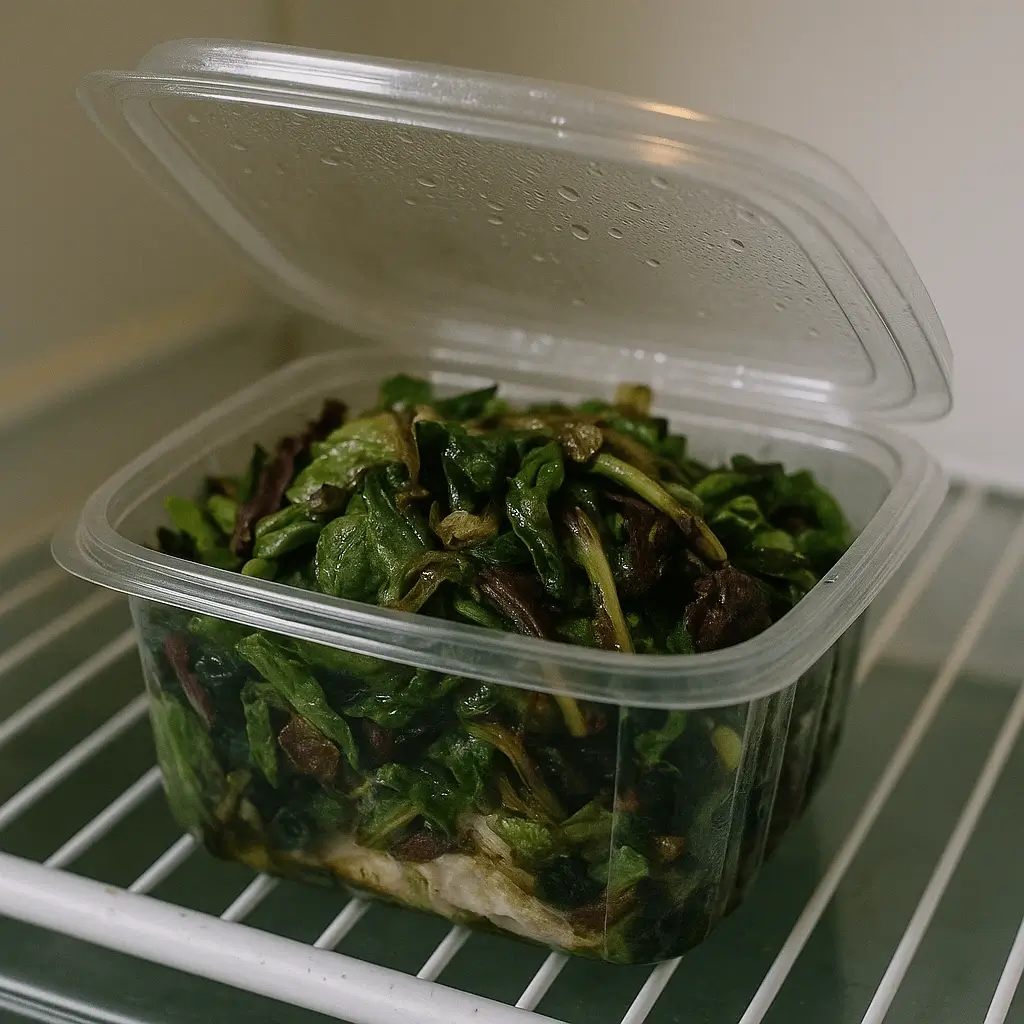
Last week, I opened my fridge to grab a handful of salad greens for lunch – only to find a mushy, soggy mess in the container. The baby spinach and spring mix I had bought just a few days earlier were now wilted, dark, and sticking together like wet paper towels. I sighed, closed the lid, and put the container back, unsure whether to toss it or try to save it.
I texted my sister about it, and she immediately replied, “Oh, that’s the worst. I always forget about the greens until it’s too late!” It made me wonder: is this just something we all deal with, or is there a better way?
This article explores why salad greens go bad so quickly, what you can do to save them, and how to keep them fresher, longer – without stressing over it.
Why Do Salad Greens Turn Slimy So Fast?
Let’s be honest – greens are a little fussy. Even when they look fresh and crisp at the store, they can take a quick turn for the worse once they’re in your fridge.
It usually comes down to moisture and airflow. Greens need a little humidity to stay perky, but too much moisture, especially if it has nowhere to go, leads to soggy leaves. Those sealed plastic containers can trap condensation, which slowly breaks down the greens.
Also, some greens are just more delicate than others. Baby spinach and mixed lettuces tend to spoil faster than heartier ones like romaine or kale. It doesn’t mean they’re bad – it just means they need more care.
Can You Still Eat Slimy Greens?
This is the part where things get tricky. We’ve all stared at a half-gone container and thought: Is this still safe?
If the leaves are just a little wilted, they might still be okay to eat after a rinse and spin. But if they’re slimy, smelly, or sticking together, it’s best to throw them out. That sliminess comes from bacteria starting to break the leaves down – and no, rinsing won’t undo that.
Trust your senses. If it smells off, feels mushy, or just looks sad and brown, it’s not worth the risk. Compost it if you can, and move on.
Easy Ways to Keep Salad Greens Fresher, Longer
Here’s where we can take back a little control. These tips don’t require fancy equipment – just some small habits that make a big difference.
1. Transfer to a Paper-Towel-Lined Container
When you get home from the store, open the container and place a dry paper towel on the bottom and one on top of the greens. The paper towel will absorb extra moisture, keeping the leaves from getting soggy.
If you have the time, moving the greens to a large, shallow container gives them more room to breathe.
“Think of it like a little air mattress for your greens – they need space and dryness.”
2. Don’t Wash Until You’re Ready to Use Them
Greens last longest when they’re dry. Either (a) wait to wash until right before you use them, or (b) wash, spin completely dry, and store with dry paper towels above and below to absorb moisture.
3. Store in the Right Part of the Fridge
Use the high-humidity crisper (closed vent) for leafy greens so they don’t wilt. Save the low-humidity drawer (slightly open vent) for ethylene-producing fruits. Don’t press containers against the back wall or air vents – those areas can run colder and may freeze delicate leaves.
What to Do If Some Leaves Are Going Bad
You don’t always need to toss the whole batch. Here’s how to handle a container that’s starting to go:
1. Sort the Good from the Bad
Pull out the obviously slimy or browning leaves and discard them. They’ll make everything else spoil faster. Keep the leaves that still look and smell fine.
Give the good ones a quick rinse and spin, then dry them thoroughly with a clean towel or spinner.
2. Use Them Immediately
If they’re on the edge of wilting, don’t wait. Use them in a sauté with garlic and oil, stir them into scrambled eggs, or add them to a warm soup or pasta right before serving. Once they’re heated, the texture changes, and they blend in beautifully.
What About Freezing Them?
It’s not ideal for salads, but if you know you won’t get to your greens, you can freeze them for cooking. Wash, dry, and portion them into freezer-safe bags. They’ll work well in smoothies, soups, or stir-fries later.
They won’t stay crisp, but they won’t go to waste either.
A Few Extra Friendly Habits
These small habits can keep you from repeating the slimy salad situation every week:
- Buy smaller portions more often instead of bulk greens (unless you’re feeding a crowd).
- Make a salad plan for the week so the greens don’t just sit there.
- Pair greens with meals right away – even a quick sandwich can use a handful of spinach.
Final Thoughts: You’re Not Alone in the Battle Against Slimy Greens
We’ve all opened the fridge and faced the dreaded slimy greens at some point. The good news? With just a few tweaks, you can make those leaves last longer and feel a lot less guilty about waste.
So next time you’re staring at a container of sad-looking salad, you’ll know what to do – and maybe even save a few meals along the way.
Here’s to fresher greens, fewer surprises, and a fridge that works for you.