
Ever looked at a banana peel and thought, “Trash”?
Me too – until a friend casually mentioned she was using banana peel powder in her pancakes. I laughed at first. But later, curiosity got the better of me, and down the rabbit hole I went.
Turns out, there’s a whole world inside that slippery peel. Not only is it completely edible once dried and ground, but it also adds a subtle flavor and beautiful golden color to baked treats. And best of all? You’re turning something you’d normally throw away into something useful and kind of wonderful.
So in this article, let’s explore how banana peels are being turned into flour, how you can try it too, and why it might just become your new baking secret.
What Exactly Is Banana Peel Flour?
If you’re imagining tossing whole banana skins into your blender, don’t worry – it’s a little more graceful than that.
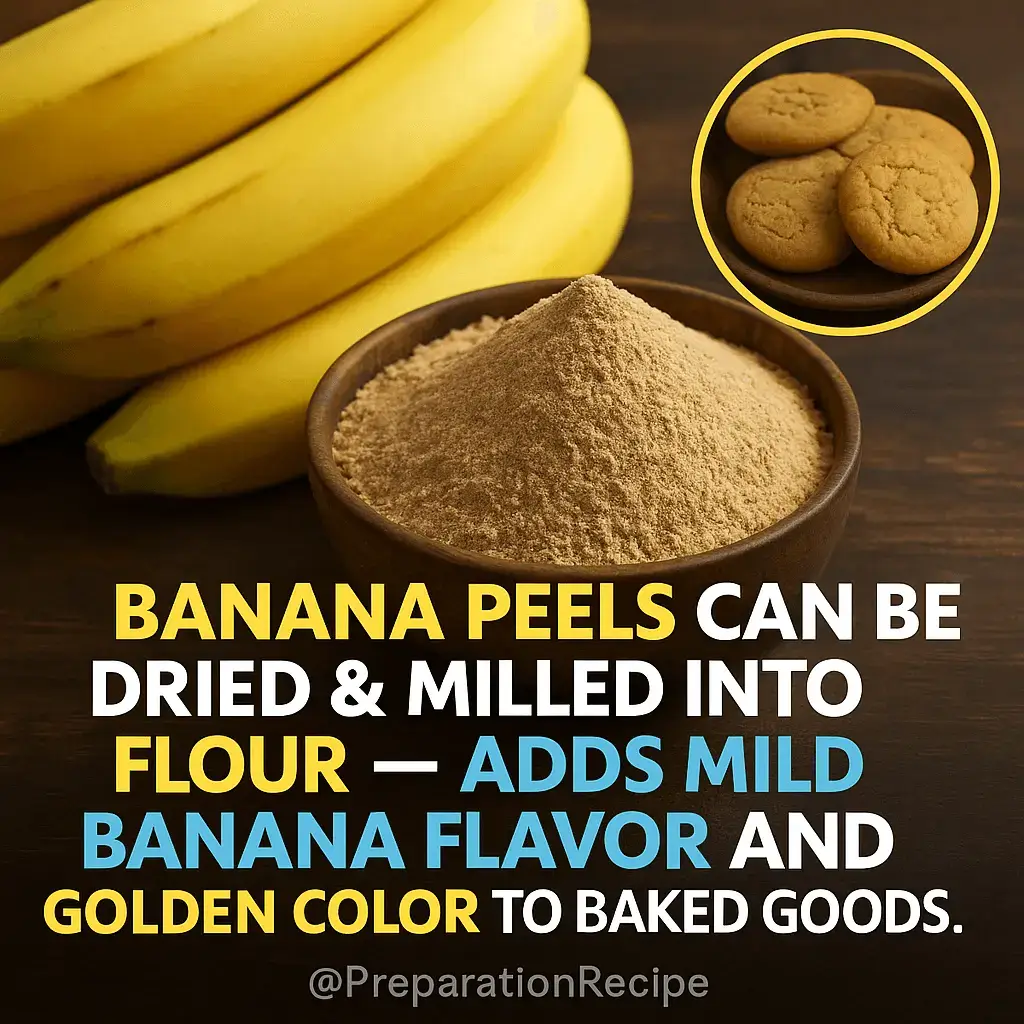
Banana peel flour is made by drying banana skins (usually ripe ones) and then grinding them into a fine powder. The result is a soft, light brown flour that has a gentle banana aroma and warm color. It doesn’t scream “banana!” like the fruit itself, but rather adds a soft, mellow background note – perfect for pancakes, muffins, cookies, and even bread.
Once ground, the flour blends easily with regular flour, giving your bakes a little twist – both in flavor and in color.
Why Would Anyone Use Banana Peels in Baking?
1. It’s a small way to waste less.
Let’s face it: banana peels make up nearly 40% of the weight of the fruit, and most of us toss them straight into the trash. But drying and grinding them into flour means one less thing going to the landfill.
It might sound like a tiny change, but if you’re already trying to be more mindful in your kitchen, this is a clever way to stretch your groceries a little further.
2. It adds a cozy richness to your baking.
When I first tried banana peel flour in cookies, I expected a strong, almost bitter flavor. Instead, I got a gentle warmth – almost like toasted oats or golden sugar. The flour gave the dough a beautiful color and just a hint of banana in the background. It wasn’t overpowering. It was interesting.
You might notice it most in softer baked goods like muffins or banana bread. And yes, it pairs beautifully with cinnamon, vanilla, and brown sugar.
How To Make Banana Peel Flour At Home
If you’ve got a bunch of bananas and a little patience, you can absolutely do this yourself.
Step 1: Wash and trim the peels
Give your banana peels a quick rinse to remove any stickers or residue. Trim the ends and remove any strings.
Step 2: Slice and dry
Cut the peels into strips. Lay them on a baking sheet and dry them in the oven at a low temp (around 200°F / 95°C) for 1.5 to 2 hours. You’ll know they’re done when they snap, not bend.
Alternatively, you can air-dry them over a few days in a warm, dry spot – or use a dehydrator if you have one.
Step 3: Grind to flour
Once fully dry, grind the peels in a blender, spice grinder, or food processor until you get a fine, soft powder.
That’s it! Store it in an airtight jar at room temperature and it’ll keep for several weeks.
Tips for Baking With Banana Peel Flour
Start small
Banana peel flour has a distinct flavor and texture, so start by replacing about 10–15% of your regular flour with it. For example, if your recipe calls for 2 cups of flour, try using 1¾ cups all-purpose flour + ¼ cup banana peel flour.
Pair it with warm flavors
It works really well with recipes that already have vanilla, cinnamon, nutmeg, or brown sugar. Think pancakes, banana muffins, oat cookies, or quick breads.
Don’t expect fluff
Because it’s not a strong rising flour, banana peel flour is best used alongside regular flours. It won’t make cakes rise higher, but it will make them look and taste a little more homemade and interesting.
What It Doesn’t Work Well For
This isn’t a “use-it-in-everything” kind of ingredient. You might want to skip banana peel flour in delicate pastries or anything that needs to stay super light and airy – like chiffon cake or sponge cake.
But for cozy weekend muffins, chewy cookies, or even a rustic loaf of bread? It adds charm.
But… Is It Safe?
Yes, totally. As long as the peels are clean, ripe, and thoroughly dried before grinding, it’s perfectly safe to use.
That said, always make sure to wash your peels first and avoid using green/unripe bananas. Those tend to have a tougher texture and a more bitter taste.
A Sweet Little Surprise
One fun thing I didn’t expect? The flour adds a slight golden tint to baked goods. It’s subtle – but when you slice into your banana muffins and see that sunny color, you’ll smile.
Also, your kitchen might smell a little cozier than usual. It’s the kind of scent that makes people ask, “What are you making?”
Final Thoughts
I never thought I’d be praising banana peels, but here we are. It’s an easy, feel-good way to use more of what you already have. The next time you’re baking, give it a try – just a little at first – and see where it takes you.
You might discover a whole new flavor hiding in something you used to throw away.
So go ahead – let your baking get a little more curious.