
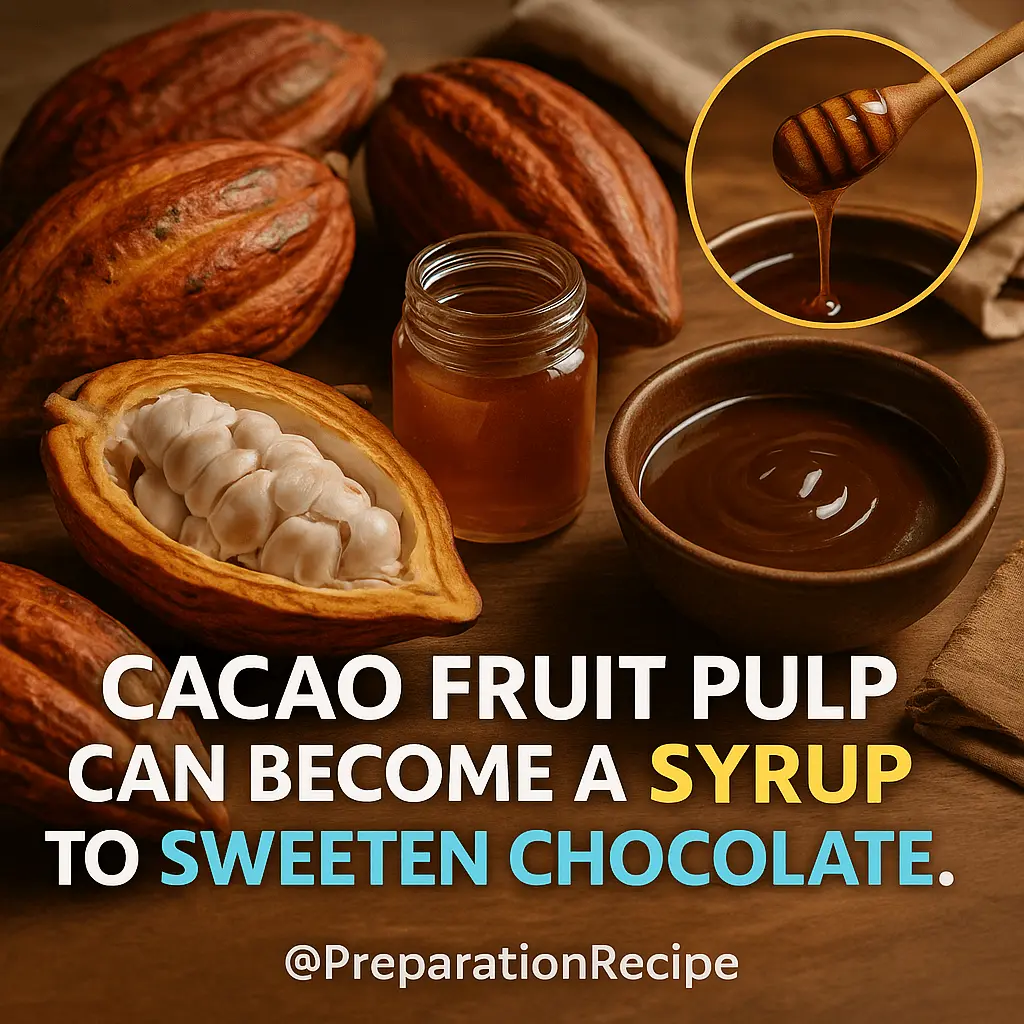
Cacao syrup? I didn’t even know it was a thing.
I’ll admit, I used to think I knew chocolate pretty well. Dark, milk, white – throw in a truffle or two, and I was happy. But then a friend who works in sustainable food science casually dropped something wild: “You know they’re making syrup out of cacao fruit pulp now, right?” I blinked. Syrup? From cacao fruit? I had no idea the white, juicy pulp inside cacao pods – something usually tossed out – could actually sweeten chocolate itself.
That little fact sent me down a rabbit hole of research, tasting, and chocolate appreciation like never before.
So in this article, let’s explore the hidden side of chocolate: how a juicy, fragrant part of the cacao fruit that’s often wasted is now making its way into syrups – and how you might be tasting more of the fruit in your chocolate bars soon without even realizing it.
What Is Cacao Fruit Pulp, Exactly?
If you’ve never seen a cacao pod cracked open, you’re in for a surprise. Inside that rugged, colorful shell isn’t just dry cocoa beans – it’s rows of beans wrapped in soft, creamy white pulp. That pulp is naturally sweet, slightly tangy, and smells a bit like tropical fruit gum. It’s completely edible.
Until recently, though, most of that pulp was just discarded during chocolate production. It was considered waste – used occasionally to ferment the beans, but not much else.
But that’s changing.
Thanks to a few creative minds in food innovation, this once-forgotten part of the cacao is being turned into a golden syrup that’s fruity, floral, and perfect for sweetening everything from chocolate bars to drinks.
Why This Matters: Waste Less, Enjoy More
Here’s the thing: when we toss out the pulp, we’re only using a small piece of what the cacao fruit offers. And considering that cacao is grown by millions of farmers worldwide – many of whom rely on it for their income – it feels a little unfair to waste such a large part of the fruit.
By turning the pulp into syrup, chocolate producers are:
- Using more of the fruit, which reduces food waste
- Creating a new income source for cacao farmers
- Adding a unique, naturally sweet taste to chocolate that stands out from standard cane sugar
It’s like discovering a whole new flavor layer in something you already love.
What Does Cacao Pulp Syrup Taste Like?
Imagine a mix of pear, mango, and citrus all blended together with a smooth texture. That’s pretty close to the flavor of cacao pulp syrup.
It’s not overly sweet like corn syrup or honey – it’s more refined, almost like something you’d drizzle over pancakes if you were feeling fancy. When added to chocolate, it gives it a subtle fruity lift that’s hard to pin down unless you know it’s there.
If you’ve ever tasted a chocolate bar and thought, “Hmm, this one has a bright finish,” there’s a chance cacao syrup played a role.
How Is the Syrup Made?
The process starts right after the cacao pods are opened. Instead of letting the pulp go to waste, it’s gently pressed to extract juice. This juice is then filtered and slowly reduced into syrup – kind of like how maple syrup is made from sap.
It’s typically made by pressing the pulp for juice, then gently reducing it into syrup – ingredient lists can vary by producer, so check the label.
Some brands bottle it straight as a sweetener, while others use it during chocolate-making instead of regular sugar.
Where You Might Spot It (Even If It’s Not Labeled)
A few chocolate makers have already started using cacao pulp syrup in their recipes – sometimes labeled as cacao fruit sugar or cacao syrup. You might not even notice unless you’re reading the fine print.
You could find it in:
- Artisan chocolate bars
- Cocoa nib clusters
- Specialty chocolate drinks
- Syrups used in cafes or fancy desserts
And the cool part? Some of those products don’t need to add any extra sweeteners because the cacao syrup does the job beautifully on its own.
Can You Use It at Home?
Yes, and it’s a fun twist!
If you ever come across bottled cacao syrup (usually online or at specialty food stores), try:
- Drizzling it over pancakes, waffles, or French toast
- Stirring it into coffee, hot chocolate, or smoothies
- Brushing it over roasted fruit for a glossy finish
- Mixing it into sauces or dressings for a hint of tropical sweetness
It’s one of those ingredients that makes you feel like a pro chef even if you’re just winging it on a Tuesday morning.
Why It’s Catching On
More than just a trend, cacao syrup is part of a bigger shift in how we think about food. People are asking:
- How can we use more of what we grow?
- How can we support farmers better?
- How can food be more exciting without being overly processed?
Cacao syrup checks all those boxes. It’s natural, it’s efficient, and it turns something previously overlooked into something genuinely valuable.
Plus, it tastes really good.
Final Thoughts: A Sweet Surprise Worth Celebrating
I never expected to care this much about cacao pulp. But now, every time I eat a square of good chocolate, I can’t help but wonder: Is there a little bit of cacao fruit in here?
It’s a reminder that food has layers – and stories – we don’t always see. When we explore beyond the usual, we find not only new flavors but smarter, kinder ways to enjoy what the earth gives us.
So next time you unwrap a bar of chocolate, take a second. There might be more inside than you think.
Let’s keep discovering delicious things – together.