
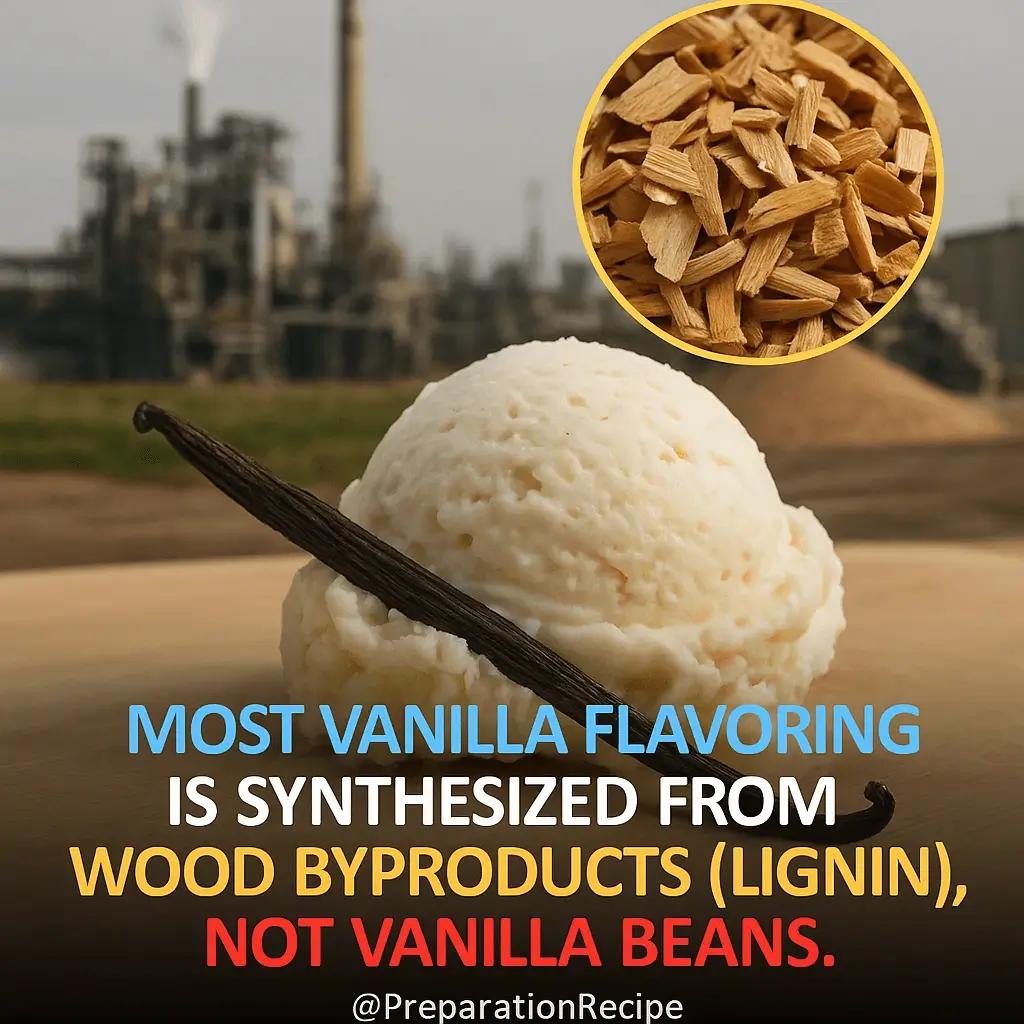
Last week, I bought a pint of vanilla bean ice cream that looked fancy enough to impress a dinner guest. But while reading the label, I noticed something odd: “natural flavoring.” Not “vanilla extract.” Curious (and a bit suspicious), I started digging. And what I found? Honestly, it blew my mind.
Turns out, a lot of the vanilla flavor we taste in everyday foods doesn’t actually come from vanilla beans at all. It comes from wood. Yes – wood.
Let’s explore how that works, why it happens, and what it means for your favorite vanilla treats.
Wait, Vanilla From Wood? Really?
I know, it sounds like something out of a science fair project gone rogue. But it’s true – much of the vanilla flavor in processed foods comes from a substance called vanillin. Vanillin is the chemical that gives real vanilla beans their sweet, creamy, slightly floral scent and taste.
But here’s the twist: scientists figured out how to create vanillin from lignin, a natural material found in wood. Lignin is part of what makes wood strong and structured – and when it’s broken down, it can mimic the same flavor molecules found in real vanilla beans.
So instead of waiting months for vanilla orchids to bloom and cure (which is a long and expensive process), companies can create that same cozy vanilla aroma from things like wood pulp – often leftovers from the paper industry.
Pretty wild, right?
Why Would Anyone Use Wood Instead of Real Vanilla?
Let’s be real: growing vanilla is not easy.
Vanilla beans come from the orchid plant, and each flower has to be pollinated by hand – often in hot, tropical areas. It takes months to grow, harvest, and cure the beans. That’s a lot of time, work, and money.
So, to keep costs low and flavors consistent, food manufacturers often choose synthetic or “nature-identical” vanillin. It tastes almost the same, but it’s way cheaper to make – especially from wood byproducts that would otherwise go to waste.
This is how many foods like cookies, cereal, ice cream, and even yogurt can have “vanilla flavor” without the price tag of real vanilla beans.
And honestly? If you’ve ever had vanilla pudding or vanilla-scented candles, chances are you’ve already experienced the wood-based version.
Is It Safe to Eat Vanilla Made from Wood?
Yes, it’s considered safe. The process of making vanillin from wood byproducts is well-tested, and it’s regulated by food safety authorities in the U.S. and around the world.
You’re not eating literal sawdust. What you’re getting is a purified, lab-made flavor compound that happens to start from something found in trees. Think of it like how we make aspirin from willow bark – science just found a shortcut.
That said, some people prefer the real thing for its more complex, earthy taste. Real vanilla has hundreds of flavor compounds, not just vanillin. It’s like the difference between fresh-squeezed orange juice and orange soda – both citrusy, but worlds apart in depth.
How to Tell If You’re Getting the Real Deal
So how do you know if your vanilla is the good stuff?
Here’s a quick tip: check the label.
- If it says “vanilla extract” – that’s real.
- If it says “vanilla flavor” – that might be synthetic or wood-based.
- If it says “natural flavors” – it could be from any natural source (including wood).
Some brands get creative and say “made with real vanilla,” but that doesn’t always mean it’s 100% vanilla bean-derived. You might get a mix of real and synthetic.
If you’re baking and want that rich, complex vanilla taste, go for pure vanilla extract – it’s pricier, but you’ll taste the difference.
Should You Avoid Vanilla Flavoring from Wood?
That depends on what you care about.
If you’re all about authenticity and taste, go for real vanilla. It brings a deeper, warmer, more layered flavor that’s hard to fake.
But if you’re okay with a budget-friendly version that still smells sweet and delicious, there’s no harm in the lab-made kind. You’ve probably been enjoying it for years without even knowing.
Plus, using wood byproducts can reduce waste, which is a cool bonus for the environment. It’s a little reminder that science can be pretty clever when it comes to reusing materials.
Vanilla Isn’t the Only Flavor With a Secret
Once I found out about vanillin, I started wondering what else in my kitchen had a surprise story. And it turns out, quite a few things do – from the colors in cereal to the smell of “buttered” popcorn at the movies.
But that’s a topic for another day.
The point is: food is full of hidden stories. And once you start asking questions, you’ll never look at your spice rack the same way again.
The Bottom Line
Most vanilla flavoring doesn’t come from beans – it comes from trees. But don’t worry, it’s still safe and still tasty. If anything, it’s a reminder of how amazing (and weird!) food science can be.
So next time you enjoy a scoop of vanilla ice cream, you’ll know there’s a little more to the story – and maybe even a piece of a tree in there, too.
Want to keep exploring the unexpected side of everyday foods? Stick around – there’s a lot more flavor beneath the surface.