
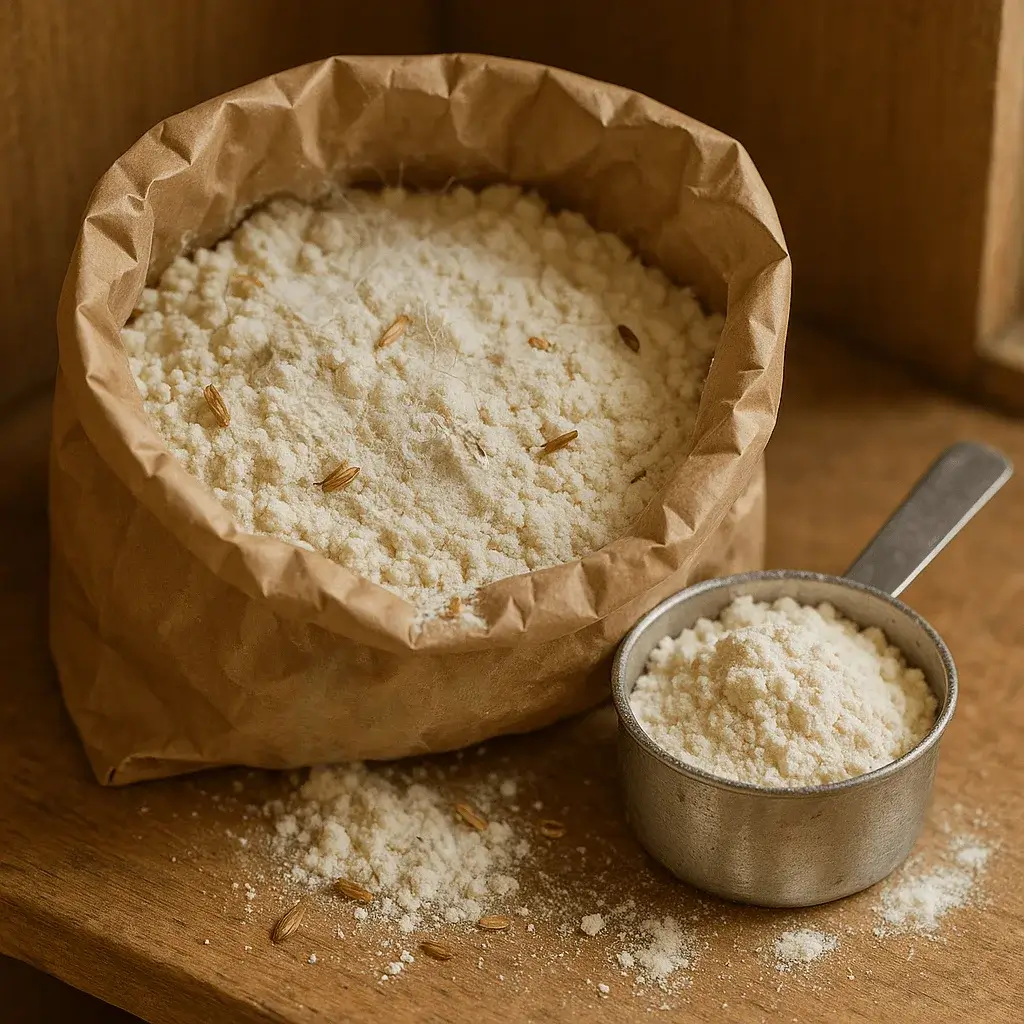
When I opened my bag of flour and saw little bugs crawling around inside, my stomach turned. I wasn’t even sure what they were at first – tiny beige worms, silky webs, and what looked like seeds that didn’t belong. Turns out, I had pantry moths. And not just one or two. A whole infestation.
My neighbor, who bakes bread like it’s her job, told me I should just scoop out the top layer and use the rest. “That’s how we did it back in the day,” she said. But I just couldn’t bring myself to trust flour that had been a bug buffet.
So, I did what anyone would do: I went down the rabbit hole. Let’s explore what pantry moths are, how they get in, and – more importantly – what you can safely do if you find them in your food.
What Are Pantry Moths (And Why Are They in My Flour)?
These little pests, also known as Indian meal moths, are small flying insects that love to lay eggs in dry pantry staples – like flour, cereal, rice, pasta, nuts, and even pet food. When the eggs hatch, the larvae (those tiny worms) feed on the food before building silk webbing and eventually becoming moths.
What makes them sneaky is that they often hitch a ride into your home in already-contaminated products from the store. Yep, even sealed bags aren’t always safe. Once they’re in, they can spread quickly from one item to another.
And unfortunately, flour is one of their favorite hangouts.
Should You Just Scoop Out the Bugs and Use the Flour?
In short: nope.
Even if the infestation looks small, the entire bag could be compromised. The larvae burrow deep, and their webbing, waste, and eggs are often scattered throughout the product – even if you can’t see them all.
So while it might feel wasteful, using that flour can introduce contamination (insect fragments/frass) or allergens. If you’ve spotted even a single worm or web, it’s safest to toss the whole thing.
Trust your instincts here: if it looks off or gives you the ick, don’t eat it.
How to Check Other Foods for Contamination
Once you’ve found pantry moths in one bag, it’s time to play detective. Check every other dry food item in your pantry, especially anything in paper, cardboard, or thin plastic. Look for:
- Tiny crawling larvae
- Webbing in the corners of containers
- Clumps of food that feel sticky or odd
- Unusual smells (a musty or sour odor)
Even unopened packages can be risky if they were stored near infested items.
Pro tip: Transfer dry goods to airtight glass or thick plastic containers going forward. It helps you spot problems early—and keeps pests out.
What You Can Safely Keep (and What Needs to Go)
Let’s be real – it’s painful to toss groceries. But here’s a rough guide for what’s generally okay to keep, and what’s not worth the risk:
✅ Safe to keep (if sealed and clean):
- Canned goods
- Vacuum-sealed or factory-sealed packages with no signs of damage
- Jars with tight lids (check under the lid rim)
🚫 Better to toss:
- Anything with visible bugs, webbing, or odd texture
- Open packages of flour, oats, grains, or snacks
- Anything in thin cardboard or paper wrapping that was stored nearby
When in doubt, throw it out. It’s not worth a ruined dinner – or worse, foodborne illness.
Deep Cleaning Your Pantry (Without Losing Your Mind)
Okay, time for some cleanup – but it doesn’t have to be overwhelming. Here’s what worked for me:
- Empty everything from your shelves. Toss what’s infested and set aside anything you’re keeping.
- Vacuum all the cracks – even the corners and shelf edges. That’s where eggs and larvae hide.
- Wipe down everything with hot, soapy water. A splash of white vinegar helps clean and deodorize.
- Let it dry completely before restocking.
- Use bay leaves or peppermint oil in corners as a natural repellent. It won’t kill moths, but it may discourage them from sticking around.
Restocking with clean, sealed containers felt surprisingly satisfying – like a fresh start for my kitchen.
How to Prevent It From Happening Again
Prevention is way easier (and less gross) than dealing with an infestation. Here’s what you can do:
- Buy in smaller quantities if you don’t use something often.
- Transfer food to airtight containers right after you bring it home.
- Inspect packaging at the store – no tears or holes.
- Store older products toward the front so you use them first.
- Clean your pantry every few months with a quick wipe-down and inspection.
And if you ever see a moth flying near your food… don’t ignore it. It might be scouting for its next snack.
So… Can I Still Bake Something Today?
Only if you’re using fresh, clean flour from a sealed, bug-free bag.
It might be tempting to salvage the old stuff, especially if it looks mostly fine. But trust me: once you’ve seen what those tiny critters leave behind, you won’t want that in your cookies.
The peace of mind that comes with starting fresh is worth the cost of a new bag.
You’re Not Alone, And This Doesn’t Make You a “Messy” Person
Finding bugs in your pantry feels gross. Embarrassing, even. But pantry moths can happen to anyone. It’s not about how clean your house is, it’s about how sneaky these insects are.
If anything, dealing with them is a reminder of how important it is to check in on the things we forget about. That old bag of flour sitting in the back corner? Turns out, it was holding a whole story you didn’t know about.
Take a breath, toss what you need to, and restock with care. You’ve got this.